


As an HVAC valves supplier, I get asked all the time about how to tell if an HVAC valve needs to be replaced. It's a crucial question because a faulty valve can mess up your entire HVAC system, leading to inefficiency, higher energy bills, and even system breakdowns. In this blog, I'm gonna share some tips on how you can figure out if it's time to swap out that valve.
Visual Inspection
The first step is a good old visual check. Take a close look at the valve. Are there any signs of corrosion? Corrosion is a big red flag. Over time, water and other elements can cause the metal parts of the valve to rust. If you see rust or discoloration on the valve body, it might be weakening, and it could be on the verge of failure.
Also, inspect for leaks. Look around the valve connections and the valve itself. A small drip might seem harmless at first, but it can indicate a more significant problem. Leaks can cause water damage to the surrounding areas and reduce the efficiency of your Chilled Water Piping Systems. If you notice any water pooling or wet spots around the valve, it's definitely something to worry about.
Another thing to look for is physical damage. Has the valve been knocked or banged around? Are there cracks in the valve body? Even a small crack can compromise the valve's functionality, allowing air or water to escape when it shouldn't.
Performance Issues
One of the most obvious signs that a valve needs replacement is poor performance. Is your HVAC system not heating or cooling your space as effectively as it used to? This could be due to a faulty valve. Valves play a crucial role in controlling the flow of refrigerant, water, or air in the system. If a valve is stuck open or closed, it can disrupt the normal operation of the HVAC system.
For example, if the valve is supposed to regulate the flow of hot water in a heating system and it's stuck open, your system might overheat. On the other hand, if it's stuck closed, you won't get enough heat. The same goes for cooling systems. A malfunctioning valve can prevent the proper flow of refrigerant, leading to a lack of cooling.
You might also notice unusual noises coming from the valve. Grinding, squealing, or rattling sounds can indicate that there's something wrong inside the valve. It could be a problem with the internal components, such as the valve stem or the actuator.
Electrical Problems
Many modern HVAC valves are electronically controlled. If you're experiencing electrical issues with the valve, it's a clear sign that something's up. Check the wiring leading to the valve. Are there any frayed wires or loose connections? A loose connection can cause intermittent operation or prevent the valve from opening or closing at all.
Use a multimeter to test the electrical signals going to the valve. If the valve is supposed to receive a certain voltage or current and it's not getting it, there could be a problem with the control system or the wiring. In some cases, the issue might be with the valve's actuator, which is the part that actually opens and closes the valve. If the actuator is not working correctly, it might need to be replaced.
Age of the Valve
Just like any other component in your HVAC system, valves have a limited lifespan. Most HVAC valves are designed to last anywhere from 10 to 20 years, depending on the quality and usage. If your valve is approaching or has exceeded this age range, it's a good idea to start thinking about replacement.
As valves age, their internal components can wear out. The seals can become brittle and lose their ability to create a tight seal, leading to leaks. The valve stem can become corroded or damaged, making it difficult to open or close the valve properly. Even if the valve is still functioning, it might be operating less efficiently, which can cost you more in energy bills over time.
Water Quality
The quality of the water in your HVAC system can also affect the lifespan of your valves. If the water is hard or contains a lot of minerals, it can cause scale buildup inside the valve. Scale can restrict the flow of water and put extra strain on the valve components, leading to premature wear and failure.
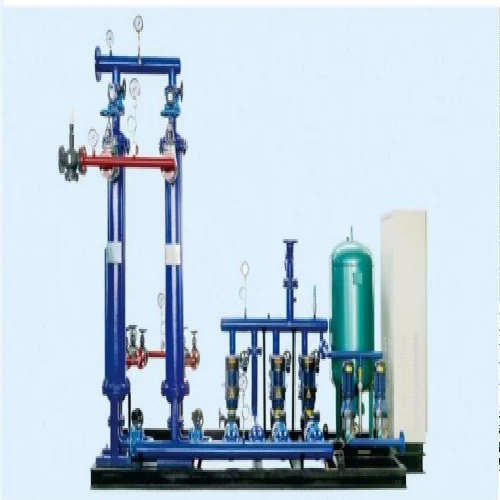

Using a Water Conditioner for HVAC can help prevent scale buildup and extend the life of your valves. If you don't have a water conditioner and you notice that your valves are having problems, it could be due to the water quality.
Compatibility with the System
Sometimes, the problem isn't with the valve itself but with its compatibility with the rest of the HVAC system. If you've made changes to your system, such as upgrading the Heat Exchanger HVAC Unit or adding a Circulation Pump for HVAC, the existing valve might not be able to handle the new demands.
For example, if you've increased the flow rate of the water in your system, a valve that was originally sized for a lower flow rate might not be able to open fully, leading to reduced performance. In this case, you might need to replace the valve with a larger or more suitable one.
Maintenance Records
If you've kept maintenance records for your HVAC system, they can be a valuable resource. Look for any history of valve problems. If the valve has been repaired multiple times, it might be time to replace it. Repeated repairs can be a sign that the valve is reaching the end of its useful life.
Also, check if the valve has ever been exposed to extreme conditions, such as high temperatures or pressures. This can cause damage to the valve that might not be immediately apparent but can lead to problems down the road.
Conclusion
So, there you have it! These are some of the key things to look for when determining if an HVAC valve needs to be replaced. Remember, regular inspection and maintenance are essential to keep your HVAC system running smoothly. If you're in doubt about whether a valve needs to be replaced, it's always a good idea to consult a professional HVAC technician.
If you do find that you need a new valve, I'm here to help. As an HVAC Valves supplier, I offer a wide range of high-quality valves that are designed to meet the needs of various HVAC systems. Whether you're looking for a simple shut-off valve or a sophisticated control valve, I've got you covered. Contact me to start a discussion about your specific requirements and let's find the perfect valve for your system.
References
- HVAC Systems Handbook
- Industry standards for HVAC valve maintenance and replacement