


As a supplier of Chilled Water AC systems, I've gotten tons of questions about the different parts and how they work. One of the most common questions I get is about the accumulator. What on earth does it do, and why is it so crucial for a Chilled Water AC setup? In this blog post, I'm gonna break it down for you.
Fundamentals of a Chilled Water AC System
Before we jump into the role of the accumulator, let's do a quick recap of how a Chilled Water AC system works. Think of it as a big loop where things are constantly moving and changing.
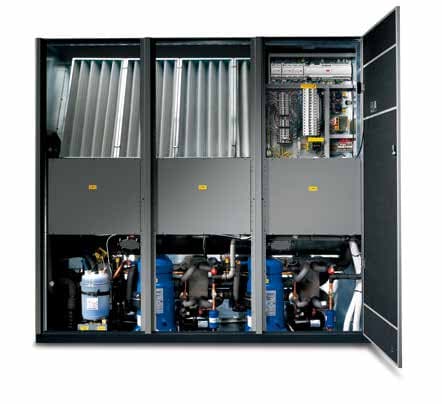
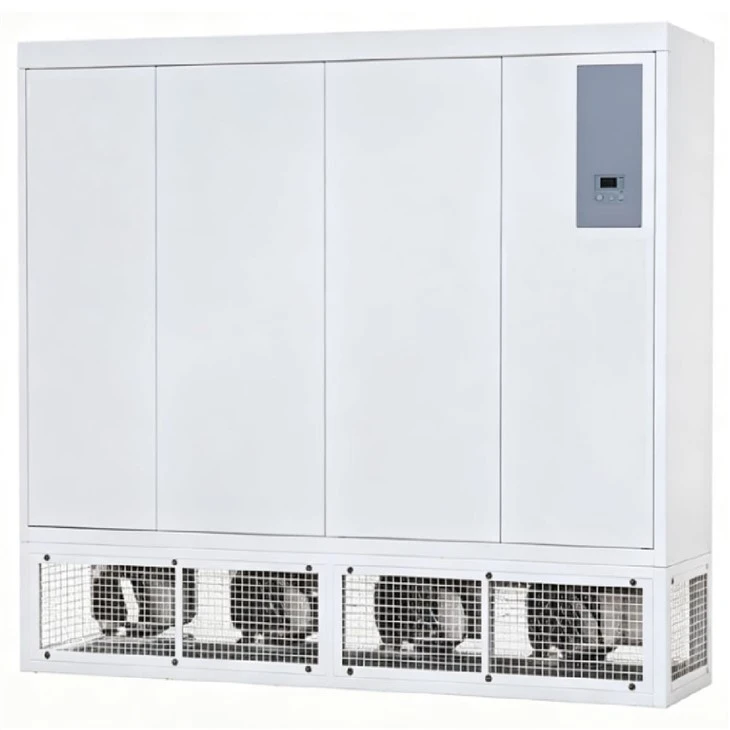
The basic idea of a Chilled Water Ac system is to remove heat from a space and transfer it away. It has a few main players: the chiller, pumps, and the air handlers. The chiller cools down the water, which is then pumped through the building to the air handlers. These air handlers use the chilled water to cool the air in the rooms.
This kind of system is pretty popular in large buildings, like offices, hospitals, and shopping malls because it's super efficient and can handle a big load. And that's also where the accumulator comes in real handy.
What the Heck is an Accumulator?
So, what exactly is an accumulator in the context of a Chilled Water AC system? It's basically a tank that plays a super important role in the refrigerant cycle of the system. Unlike other components that you might be more familiar with, like the compressor or the condenser, the accumulator might not get as much attention, but it's definitely a key player.
The accumulator is usually placed between the evaporator and the compressor. It's designed to store excess refrigerant, as well as separate the liquid and vapor forms of the refrigerant. You might be wondering why this separation is a big deal. Well, I'll tell you.
Separation of Liquid and Vapor
The compressor in a Chilled Water AC system is designed to work with refrigerant in its vapor form. If liquid refrigerant makes its way into the compressor, it can cause some serious problems. It's like trying to make an engine run on water instead of gas.
Liquid refrigerant can't be compressed as easily as vapor. When liquid gets into the compressor, it can lead to something called "liquid slugging." This is when the liquid refrigerant hits the compressor's internal parts with a powerful force, like a slug. Liquid slugging can damage the compressor's valves, pistons, and other components, which can lead to a breakdown and costly repairs.
The accumulator acts as a safety net, making sure that only vapor refrigerant enters the compressor. It separates the liquid and vapor by using the principle of gravity. The liquid refrigerant is denser, so it collects at the bottom of the accumulator, while the lighter vapor rises to the top and makes its way to the compressor.
Storage of Excess Refrigerant
Another cool function of the accumulator is that it can store excess refrigerant. In a Chilled Water AC system, the amount of refrigerant needed can vary depending on things like the load (how much cooling is required) and the operating conditions.
When the system is running at a lower load, there might be extra refrigerant that isn't needed right away. Instead of letting this excess refrigerant float around in the system, the accumulator stores it. This helps maintain the proper refrigerant flow and pressure in the system, which is essential for efficient operation.
On the other hand, when the load on the system increases, the accumulator can release the stored refrigerant back into the cycle. This ensures that the system has enough refrigerant to handle the increased cooling demand without having to add more refrigerant from an external source.
Protecting the Compressor
As I mentioned earlier, the accumulator helps protect the compressor from liquid slugging. But that's not all. It also plays a role in preventing other kinds of compressor damage.
For example, the accumulator can filter out any debris or contaminants that might be in the refrigerant. Over time, particles like dust, metal shavings, or dirt can find their way into the refrigerant. If these particles reach the compressor, they can cause wear and tear on the internal components, reducing the compressor's lifespan.
The accumulator has a built - in filter that traps these contaminants, so they don't reach the compressor. This helps keep the compressor running smoothly and extends its operating life.
Improving System Efficiency
An efficient accumulator can have a big impact on the overall efficiency of a Chilled Water AC system. By ensuring that only vapor refrigerant enters the compressor, the compressor can operate at its optimal level. When the compressor doesn't have to deal with liquid refrigerant, it can compress the vapor more effectively, which means it uses less energy.
In addition, the ability to store and release refrigerant as needed helps keep the system in balance. When the refrigerant flow and pressure are stable, the system can operate more efficiently. This not only saves energy but also reduces the wear and tear on other components in the system.
Comparing with Other AC Systems
It's interesting to compare how accumulators work in a Chilled Water AC system with other types of AC systems, like Water - Cooled CRAC Unit, Air - Cooled CRAC Unit, and Dual Cool Ac.
In water - cooled and air - cooled CRAC units, the basic function of the accumulator is similar. It still separates the liquid and vapor refrigerant and protects the compressor. However, the operating conditions and the amount of refrigerant used can be different. For example, water - cooled systems might be more efficient in certain environments, but they also require a reliable water source.
Dual Cool AC systems often combine different cooling methods, which can affect how the accumulator operates. The accumulator in a Dual Cool Ac system has to adapt to changes in the refrigerant flow and pressure that come with switching between different cooling modes.
Contact Us for Your Chilled Water AC Needs
Now that you have a better understanding of the important role the accumulator plays in a Chilled Water AC system, you might be thinking about upgrading your current system or getting a new one. As a supplier, I'm here to help you with all your Chilled Water AC needs. Whether you have questions about the accumulator, the whole system, or you're ready to make a purchase, don't hesitate to reach out. We can offer you high - quality products and professional advice to make sure you get the best system for your specific requirements.
References
- "HVAC Systems for Dummies" by Andrew Blum
-ASHRAE Handbook - HVAC Systems and Equipment