


In the vast expanse of metal industries, the battle against rust is a never - ending saga. Rust, scientifically known as iron oxide, forms when iron or steel reacts with oxygen and water. This chemical reaction can cause significant damage to metal products, machinery, and infrastructure, leading to financial losses, safety hazards, and reduced product lifespan. In this context, industrial dehumidifiers play a crucial role in preventing rust, and as an industrial dehumidifier supplier, I am excited to delve into the details of how these machines safeguard the metal industry.
The Science Behind Rust Formation
Before we explore the role of industrial dehumidifiers, it's essential to understand the science of rust formation. Iron is a highly reactive metal. When it comes into contact with water and oxygen, a redox reaction occurs. The iron atoms lose electrons (oxidation) and form iron ions, which then react with hydroxide ions from water to form iron hydroxide. This iron hydroxide further reacts with oxygen in the air to produce hydrated iron(III) oxide, commonly known as rust.
The presence of water is a critical factor in this process. Water acts as an electrolyte, facilitating the flow of electrons between the iron and oxygen. Even a small amount of moisture in the air can accelerate rust formation, especially in environments with high humidity.
The Impact of Rust on Metal Industries
The consequences of rust in metal industries are far - reaching. Firstly, it can compromise the structural integrity of metal components. For example, in the construction industry, rusted steel beams can weaken buildings, bridges, and other structures, posing a significant safety risk. In the automotive and aerospace sectors, rusted parts can lead to mechanical failures, endangering lives and causing substantial economic losses.
Secondly, rust can affect the aesthetic quality of metal products. In industries such as furniture manufacturing and consumer electronics, where the appearance of metal products is crucial, rust can make the products look unappealing and reduce their market value.
Finally, rust can increase maintenance costs. Companies in the metal industry often have to spend a significant amount of money on rust removal, repair, and replacement of corroded parts. This not only disrupts production but also eats into profit margins.
How Industrial Dehumidifiers Prevent Rust
Industrial dehumidifiers work by removing moisture from the air, thereby reducing the humidity levels in the working environment. By maintaining low humidity, these machines can effectively slow down or even prevent the rust formation process.
There are two main types of industrial dehumidifiers: refrigeration dehumidifiers and desiccant dehumidifiers. Refrigeration dehumidifiers work by cooling the air below its dew point. As the air cools, the water vapor in it condenses into liquid water, which is then collected and drained away. This process is effective in moderate - humidity environments.
Desiccant dehumidifiers, on the other hand, use a desiccant material, such as silica gel or activated alumina, to absorb moisture from the air. The desiccant becomes saturated with water, and then it is regenerated by heating to release the moisture. Desiccant dehumidifiers are more suitable for low - temperature and low - humidity applications, as well as in environments where very low humidity levels need to be maintained.
By controlling the humidity levels, industrial dehumidifiers create an environment where the conditions for rust formation are less favorable. With less moisture in the air, the redox reaction between iron and oxygen is significantly slowed down, protecting metal components from corrosion.
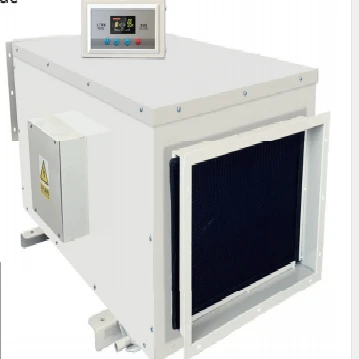
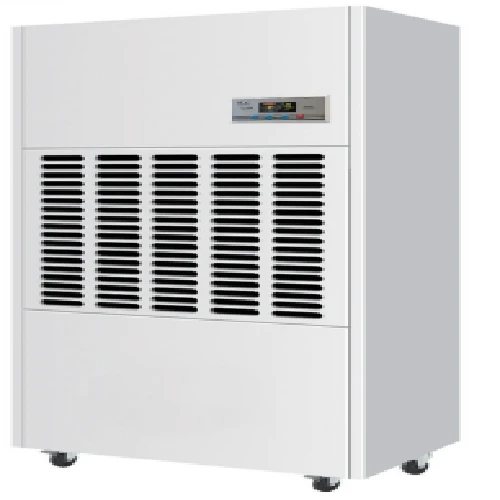
Examples of Industrial Dehumidifiers in Metal Industries
Different types of industrial dehumidifiers are used in various metal industry applications. For small workshops or storage areas, Ceiling Dehumidifier can be a great choice. These dehumidifiers are installed on the ceiling, saving floor space and ensuring efficient air circulation. They can effectively remove moisture from the air in confined spaces, preventing rust on small metal parts and equipment.
For large - scale metal manufacturing plants or warehouses, Heavy Duty Industrial Dehumidifier are more appropriate. These powerful machines are capable of removing a large amount of moisture from the air in a short period. They can be customized to meet the specific humidity control requirements of different industrial environments, protecting large - scale metal structures and machinery from rust.
Benefits of Using Industrial Dehumidifiers in Metal Industries
Apart from preventing rust, industrial dehumidifiers offer several other benefits to metal industries. One of the significant advantages is improved product quality. By maintaining a low - humidity environment, the risk of surface defects and corrosion on metal products is reduced, resulting in higher - quality finished products.
Industrial dehumidifiers also contribute to a safer working environment. In a metal industry setting, rust can cause slippery surfaces, leading to workplace accidents. By preventing rust, dehumidifiers help to eliminate these safety hazards.
Moreover, using industrial dehumidifiers can enhance energy efficiency. In some cases, high humidity can make the air feel warmer, leading to increased energy consumption for cooling. By reducing humidity, dehumidifiers can make the cooling systems more efficient, saving energy and reducing operating costs.
Considerations When Choosing an Industrial Dehumidifier
When selecting an industrial dehumidifier for metal industries, several factors need to be considered. First and foremost, the dehumidifying capacity is crucial. It should be determined based on the size of the space, the level of humidity, and the moisture - generating sources in the environment.
The type of dehumidifier also matters. As mentioned earlier, refrigeration dehumidifiers are suitable for moderate - humidity environments, while desiccant dehumidifiers are better for low - humidity applications.
In addition, reliability and maintenance requirements are important considerations. Industrial dehumidifiers need to operate continuously in harsh industrial environments, so they should be robust and easy to maintain.
Conclusion
In conclusion, industrial dehumidifiers play an indispensable role in preventing rust in metal industries. By removing moisture from the air and controlling humidity levels, they protect metal products and machinery from corrosion, ensuring product quality, safety, and cost - effectiveness. As an industrial dehumidifier supplier, we are committed to providing high - quality dehumidification solutions tailored to the specific needs of the metal industry.
If you are looking for effective rust prevention solutions for your metal business, our team of experts is ready to assist you. Contact us to discuss your requirements and find the most suitable industrial dehumidifier for your operation. Our in - depth knowledge and experience in the industry will ensure that you get the best value for your investment.
References
- Corrosion Basics: An Introduction to Corrosion, NACE International
- Industrial Dehumidification Handbook, Munters Corporation
- Handbook of Rust Prevention, CRC Press