


Selecting a compressor dryer is a crucial decision for any industrial or commercial operation that uses compressed air systems. As a compressor supplier, I understand the importance of getting this choice right to ensure optimal performance, efficiency, and longevity of your compressed air setup. In this blog, I will guide you through the key factors to consider when selecting a compressor dryer, helping you make an informed decision that meets your specific needs.
Understanding the Basics of Compressor Dryers
Before delving into the selection process, it's essential to understand what compressor dryers do. Compressed air generated by a compressor often contains moisture, oil, and other contaminants. A compressor dryer is designed to remove these impurities, particularly moisture, from the compressed air. Excess moisture in compressed air can lead to a range of problems, including corrosion in pipes and equipment, reduced efficiency of pneumatic tools, and even product contamination in sensitive industries such as food and beverage or pharmaceuticals.
There are several types of compressor dryers available, each with its own advantages and disadvantages. The most common types include refrigerated dryers, desiccant dryers, and membrane dryers.
- Refrigerated Dryers: These are the most widely used type of compressor dryers. They work by cooling the compressed air, causing the moisture to condense and then be drained away. Refrigerated dryers are relatively simple, cost - effective, and suitable for applications where the required dew point is not extremely low, typically around 3 to 10 degrees Celsius (37 to 50 degrees Fahrenheit).
- Desiccant Dryers: Desiccant dryers use a desiccant material, such as silica gel or activated alumina, to adsorb moisture from the compressed air. They can achieve much lower dew points, sometimes as low as -40 degrees Celsius (-40 degrees Fahrenheit) or even lower. Desiccant dryers are ideal for applications where very dry air is required, such as in paint spraying, electronics manufacturing, and some pharmaceutical processes.
- Membrane Dryers: Membrane dryers use a selectively permeable membrane to separate moisture from the compressed air. They are simple, compact, and require no electricity or moving parts. However, they are less efficient than refrigerated and desiccant dryers and are typically used for small - scale or low - flow applications.
Key Factors to Consider When Selecting a Compressor Dryer
1. Dew Point Requirements
The dew point is the temperature at which moisture in the compressed air begins to condense. Different applications have different dew point requirements. For example, general industrial applications may require a dew point of around 3 to 10 degrees Celsius, while critical applications such as electronics manufacturing may need a dew point of -40 degrees Celsius or lower. It's important to determine the required dew point for your specific application before selecting a compressor dryer. If the required dew point is low, a desiccant dryer may be the best choice; if a moderately low dew point is sufficient, a refrigerated dryer will likely be adequate.
2. Flow Rate
The flow rate, measured in cubic feet per minute (CFM) or cubic meters per hour (m³/h), is the amount of compressed air that the dryer needs to handle. It's crucial to select a dryer with a flow rate capacity that matches or exceeds the flow rate of your compressed air system. If the dryer's flow rate capacity is too low, it will not be able to effectively remove moisture from the compressed air, leading to wet air and potential problems downstream. On the other hand, choosing a dryer with a significantly higher flow rate capacity than necessary can result in higher upfront costs and increased energy consumption.
3. Operating Conditions
The operating conditions of your compressed air system, such as inlet air temperature, pressure, and ambient temperature, can have a significant impact on the performance of the compressor dryer. For example, refrigerated dryers are less effective at removing moisture when the inlet air temperature is very high. In such cases, a pre - cooler may be required to lower the inlet air temperature before it enters the dryer. Similarly, desiccant dryers may require additional regeneration energy if the ambient temperature is high. It's important to consider these operating conditions when selecting a dryer and ensure that it is designed to operate effectively under your specific conditions.
4. Energy Efficiency
Energy efficiency is an important consideration, as compressor dryers can consume a significant amount of energy over their lifespan. Look for dryers with energy - saving features, such as variable - speed drives, which can adjust the dryer's operation based on the actual demand for compressed air. Refrigerated dryers with high - efficiency heat exchangers and desiccant dryers with advanced regeneration control systems can also help reduce energy consumption.
5. Maintenance Requirements
Regular maintenance is essential to ensure the proper operation and longevity of your compressor dryer. Different types of dryers have different maintenance requirements. For example, refrigerated dryers require periodic cleaning of the condenser and evaporator coils, as well as replacement of the refrigerant if necessary. Desiccant dryers need regular replacement of the desiccant material and maintenance of the regeneration system. Consider the ease of maintenance and the availability of replacement parts when selecting a dryer.
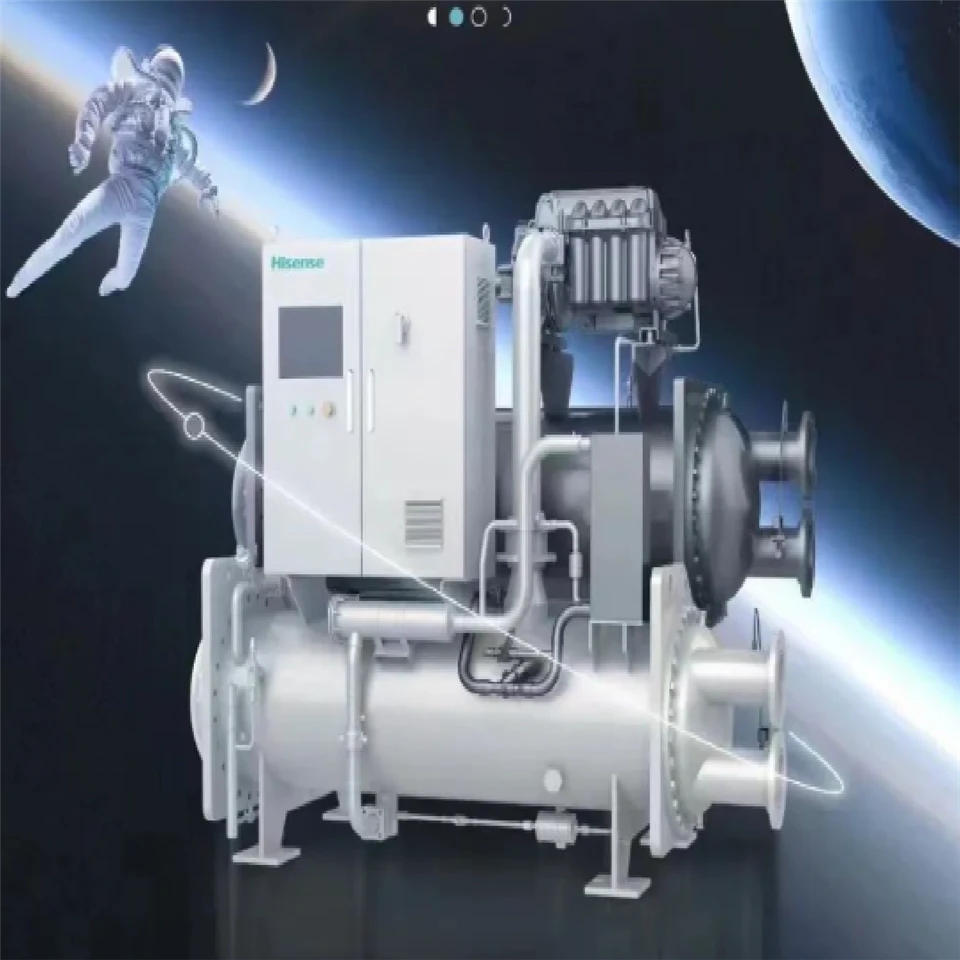
Maglev Compressor: A Modern Option
When considering your compressor and dryer system, you might also want to explore the benefits of a Maglev Compressor. Maglev compressors use magnetic levitation technology to eliminate mechanical contact between moving parts, resulting in reduced friction, lower energy consumption, and less wear and tear. This technology can also improve the overall reliability and efficiency of your compressed air system, making it an attractive option for many applications.
Making Your Decision
Once you have considered all the factors mentioned above, you can start evaluating different compressor dryer models and manufacturers. Look for reputable manufacturers with a proven track record of producing high - quality, reliable equipment. Read customer reviews and testimonials to get an idea of the performance and reliability of the dryers. You can also consult with industry experts or our technical support team to get more detailed information and advice.
Contact Us for Purchase and Consultation
Selecting the right compressor dryer is a complex process, but with the right information and guidance, you can make an informed decision that meets your specific needs. As a compressor supplier, we are here to help you every step of the way. Whether you need more information about compressor dryers, want to discuss your specific requirements, or are ready to make a purchase, please do not hesitate to contact us. Our experienced team will be happy to assist you in selecting the most suitable compressor dryer for your operation.
References
- Compressed Air and Gas Institute (CAGI). Compressed Air Handbook.
- ANSI/ISA - 7.0.01 - 1996 (R2010). Flow Measurement of Gas in Closed Conduits - Temperature and Pressure Compensated Orifice Metering of Natural Gas and Other Related Hydrocarbon Gases.
- Standard for Compressed Air Quality. ISO 8573.