


I'm super stoked to chat with you today about one of the unsung heroes in an HVAC system – the pressure-reducing valve. As a supplier of HVAC Valves, I've seen firsthand how these little guys can make or break a system.
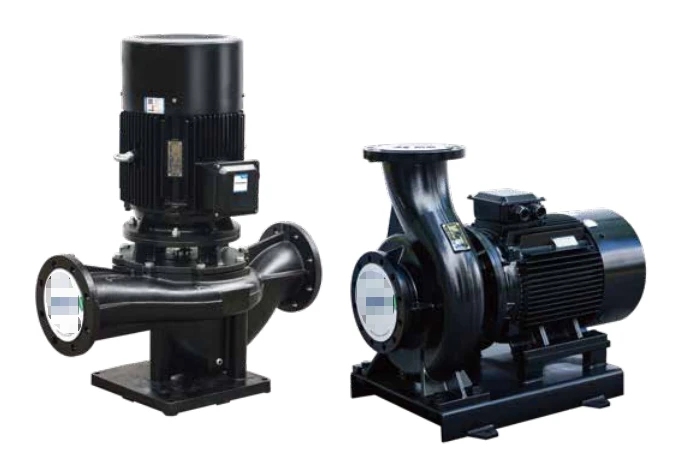
Let's start with the basics. An HVAC system is like a complex organism, with various components working together to keep our indoor environments comfortable. From Circulation Pump for HVAC that move the air and water around, to Heat Exchanger HVAC Unit that transfer heat, every part plays a crucial role. And the pressure-reducing valve? It's kind of like the traffic cop, making sure the flow of fluids in the system doesn't get too crazy.
So, what exactly does it do? Well, the main function of a pressure-reducing valve is, as the name suggests, to reduce the pressure in an HVAC system. In a typical HVAC setup, there's often a high-pressure source of water or refrigerant. This could be from a municipal water supply or a high-capacity chiller. If this high pressure were allowed to flow unchecked through the system, it could cause some serious problems.
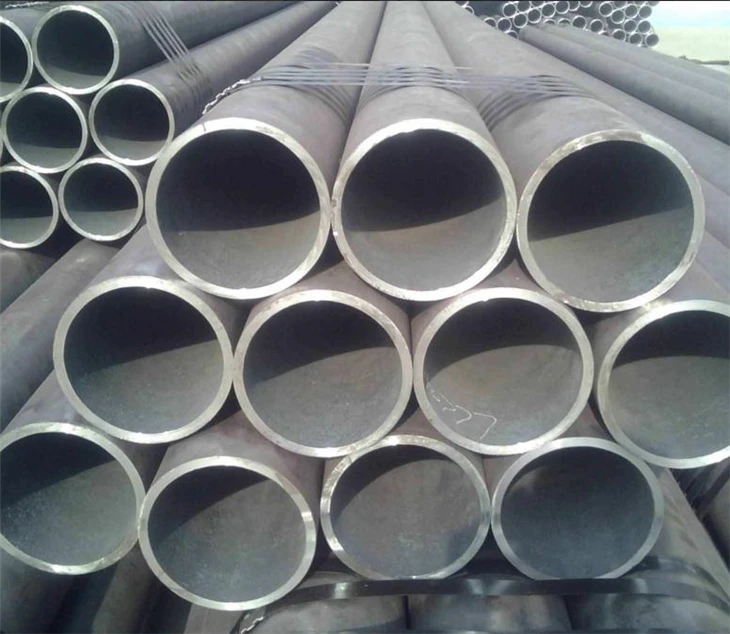
One of the biggest issues is damage to the components. High pressure can put a lot of stress on pipes, fittings, and other parts of the system. This stress can lead to leaks, bursts, and even premature failure of equipment. For example, in Chilled Water Piping Systems, excessive pressure could cause the pipes to crack, leading to costly repairs and downtime.
Another problem is that high pressure can affect the performance of the system. In an HVAC system, the efficiency of heat transfer and air circulation is dependent on the proper flow of fluids. If the pressure is too high, the flow may become turbulent, which can disrupt the normal operation of heat exchangers and other components. This can result in reduced heating or cooling capacity, higher energy consumption, and an overall less comfortable indoor environment.
A pressure-reducing valve solves these problems by regulating the pressure downstream of the valve. It works by sensing the pressure on the outlet side and adjusting the valve opening accordingly. When the pressure starts to rise above a pre-set level, the valve closes slightly, restricting the flow and reducing the pressure. Conversely, when the pressure drops below the set point, the valve opens wider to allow more fluid to pass through.
This regulation is crucial for maintaining the stability of the system. It ensures that all the components are operating within their design parameters, which not only prolongs their lifespan but also improves the overall efficiency of the HVAC system. For instance, in a Heat Exchanger HVAC Unit, a consistent pressure allows for more efficient heat transfer, which means better heating or cooling performance with less energy.
In addition to protecting the system and improving efficiency, a pressure-reducing valve also plays a role in safety. In some cases, a sudden increase in pressure can cause a dangerous build-up of energy in the system. This could lead to explosions or other hazardous situations. By keeping the pressure in check, the valve helps prevent these potential disasters.
Now, let's talk about the types of pressure-reducing valves commonly used in HVAC systems. There are several different designs, each with its own advantages and disadvantages.
The most basic type is the direct-acting pressure-reducing valve. This valve uses a simple spring-loaded mechanism to control the pressure. As the pressure on the outlet side changes, the spring compresses or expands, opening or closing the valve. Direct-acting valves are relatively inexpensive and easy to install, but they may not provide the most precise control.
For more accurate pressure regulation, pilot-operated pressure-reducing valves are often used. These valves use a small pilot valve to control the operation of a larger main valve. The pilot valve senses the outlet pressure and sends a signal to the main valve to adjust its opening. Pilot-operated valves can provide very precise pressure control, even under varying flow conditions, but they are more complex and expensive than direct-acting valves.
Selecting the right pressure-reducing valve for an HVAC system depends on several factors. One of the most important is the maximum and minimum pressure requirements of the system. You need to choose a valve that can handle the expected pressure range without over- or under-regulating.
The flow rate is another crucial factor. Different valves have different flow capacities, so you need to make sure the valve you choose can handle the volume of fluid flowing through the system. If the valve is too small, it may cause a bottleneck and restrict the flow, leading to reduced performance. On the other hand, if the valve is too large, it may not provide accurate pressure control.
The type of fluid being used in the system is also important. Different fluids have different properties, such as viscosity and corrosiveness, which can affect the performance of the valve. For example, if you're using water with a high mineral content, you may need a valve that is resistant to corrosion.
At our company, we understand that choosing the right valve can be a challenge. That's why we offer a wide range of HVAC Valves, including pressure-reducing valves, to meet the needs of different HVAC systems. Our team of experts is always on hand to help you select the right valve for your specific application.
If you're in the market for pressure-reducing valves or any other HVAC Valves, we'd love to hear from you. Our products are known for their high quality, reliability, and performance. Whether you're working on a small residential HVAC system or a large commercial installation, we have the right valve for you.
In addition to pressure-reducing valves, we also supply other important components such as Circulation Pump for HVAC, Heat Exchanger HVAC Unit, and Water Conditioner for HVAC. These components work together to ensure the smooth and efficient operation of your HVAC system.
So, if you're looking to improve the performance of your HVAC system, reduce energy consumption, and protect your equipment, don't hesitate to reach out. We're here to help you find the best solutions for your HVAC needs.
References
- HVAC Systems: Design and Analysis by William Coad
- Modern Hydronic Heating by John Siegenthaler
- ASHRAE Handbook: HVAC Systems and Equipment