


How does a precision air conditioner manage the air volume?
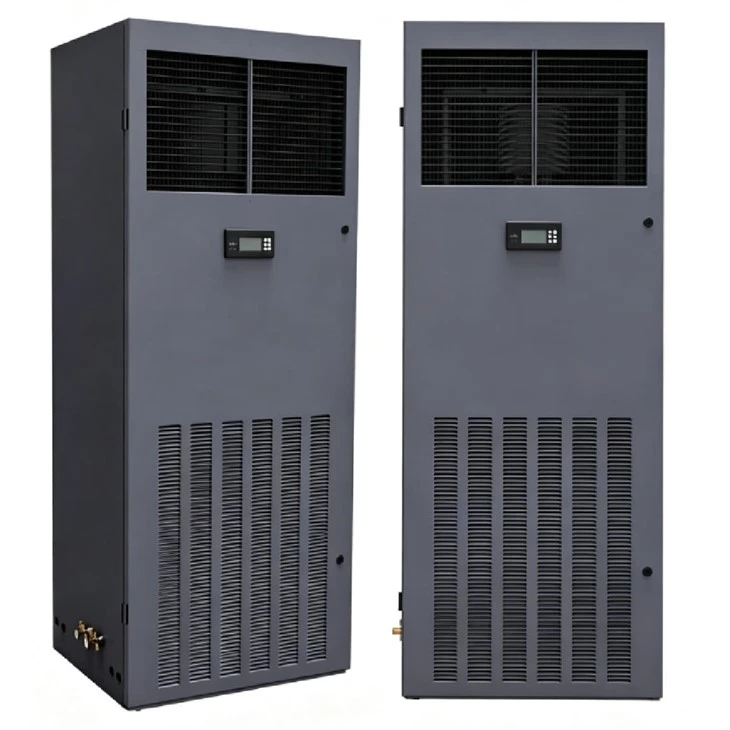
As a trusted supplier of precision air conditioners, I've had the privilege of witnessing firsthand the critical role these systems play in maintaining optimal environments. Whether it's in a data center, a laboratory, or a medical facility, precision air conditioners are designed to provide precise control over temperature, humidity, and air quality. One of the key aspects of their operation is the management of air volume, which is essential for ensuring consistent cooling and ventilation throughout the space.
Understanding the Basics of Air Volume in Precision Air Conditioners
Air volume, often measured in cubic feet per minute (CFM) or cubic meters per hour (m³/h), refers to the amount of air that a precision air conditioner can move within a given time frame. This parameter is crucial for determining the system's ability to cool and dehumidify the air effectively. A higher air volume means that more air is being circulated, which can help to distribute the cooled air evenly across the space and remove heat and moisture more efficiently.
The management of air volume in precision air conditioners involves several components working together in harmony. These include the fans, filters, ducts, and dampers, each of which plays a specific role in regulating the flow of air.
The Role of Fans in Air Volume Management
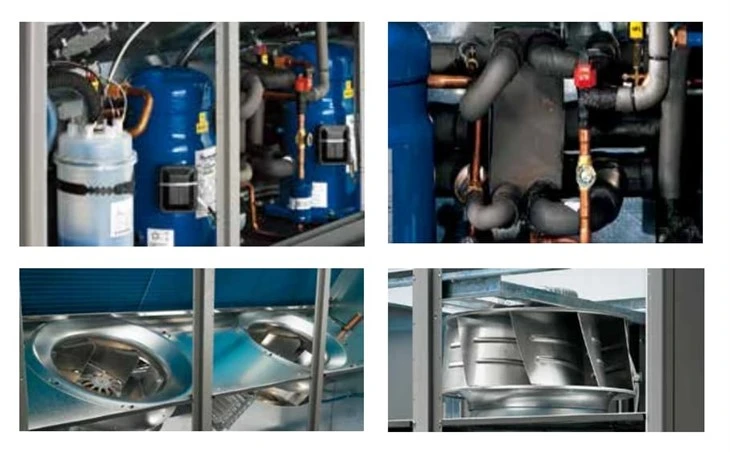
The fans are the primary components responsible for moving air through the precision air conditioner and into the conditioned space. There are two main types of fans used in these systems: centrifugal fans and axial fans.
Centrifugal fans are known for their high-pressure capabilities, making them suitable for applications where the air needs to be forced through long ductwork or over obstacles. These fans draw air in at the center and discharge it radially, creating a high-velocity airflow. They are often used in larger precision air conditioning units, such as Air-Cooled CRAC Unit, which require a significant amount of air to be circulated over a large area.
Axial fans, on the other hand, are designed to move air in a straight line along the axis of the fan. They are typically more energy-efficient than centrifugal fans and are commonly used in smaller precision air conditioning units or in applications where a lower-pressure airflow is required. Axial fans are also quieter than centrifugal fans, making them a popular choice for environments where noise levels need to be kept to a minimum.
The speed of the fans can be adjusted to control the air volume. This is typically done through a variable frequency drive (VFD), which allows the fan motor to operate at different speeds based on the cooling requirements of the space. By adjusting the fan speed, the precision air conditioner can optimize the air volume and energy consumption, ensuring that only the necessary amount of air is being circulated.
The Importance of Filters in Maintaining Air Quality and Air Volume
Filters are another essential component of precision air conditioners. They are responsible for removing dust, dirt, pollen, and other contaminants from the air, ensuring that the air being circulated in the conditioned space is clean and healthy.
However, filters can also have an impact on air volume. Over time, filters can become clogged with debris, which restricts the airflow and reduces the air volume. This can lead to a decrease in cooling efficiency and an increase in energy consumption. To prevent this from happening, it's important to regularly clean or replace the filters according to the manufacturer's recommendations.
In addition to maintaining the air volume, filters also play a crucial role in protecting the internal components of the precision air conditioner. By removing contaminants from the air, filters help to prevent the buildup of dust and debris on the fans, coils, and other components, which can cause damage and reduce the lifespan of the system.
Ducts and Dampers: Controlling the Distribution of Air
Ducts are used to transport the cooled air from the precision air conditioner to the different areas of the conditioned space. The size and design of the ducts can have a significant impact on the air volume and the distribution of the air. Properly sized ducts ensure that the air can flow freely without excessive resistance, while a well-designed duct layout helps to distribute the air evenly throughout the space.
Dampers are adjustable valves that are installed in the ducts to control the flow of air. They can be used to regulate the air volume in different areas of the space, allowing for more precise temperature and humidity control. For example, if a particular area of the space requires more cooling, the dampers can be adjusted to increase the airflow to that area.
There are two main types of dampers used in precision air conditioning systems: manual dampers and automatic dampers. Manual dampers are adjusted by hand and are typically used for seasonal or occasional adjustments. Automatic dampers, on the other hand, are controlled by a building automation system or a thermostat and can be adjusted in real-time based on the changing cooling requirements of the space.
Factors Affecting Air Volume Management
Several factors can affect the ability of a precision air conditioner to manage the air volume effectively. These include:
- Space Requirements: The size and layout of the conditioned space play a crucial role in determining the required air volume. Larger spaces or spaces with complex layouts may require a higher air volume to ensure adequate cooling and ventilation.
- Heat Load: The heat load of the space, which is determined by factors such as the number of occupants, the amount of equipment, and the solar gain, also affects the air volume requirements. A higher heat load requires a larger air volume to remove the heat effectively.
- Air Leakage: Air leakage in the ductwork or the building envelope can significantly reduce the air volume and the efficiency of the precision air conditioner. Proper insulation and sealing can help to minimize air leakage and improve the performance of the system.
- Environmental Conditions: The ambient temperature, humidity, and altitude can also affect the air volume management of a precision air conditioner. For example, at higher altitudes, the air density is lower, which may require a higher air volume to achieve the same cooling effect.
Optimizing Air Volume Management for Precision Air Conditioners
To ensure that a precision air conditioner manages the air volume effectively, it's important to consider the following best practices:
- Proper Sizing: The precision air conditioner should be properly sized for the specific requirements of the space. This includes considering the size of the space, the heat load, and the desired temperature and humidity levels. A professional HVAC contractor can perform a load calculation to determine the appropriate size of the system.
- Regular Maintenance: Regular maintenance is essential for keeping the precision air conditioner in good working condition. This includes cleaning or replacing the filters, checking the fans and motors, inspecting the ducts and dampers, and ensuring that the refrigerant levels are correct.
- System Integration: Integrating the precision air conditioner with a building automation system can help to optimize the air volume management. The building automation system can monitor the temperature, humidity, and air quality in the space and adjust the air volume and other parameters in real-time based on the changing conditions.
- Energy Efficiency: Choosing an energy-efficient precision air conditioner can help to reduce the energy consumption and operating costs. Look for systems that have a high Energy Efficiency Ratio (EER) or a Seasonal Energy Efficiency Ratio (SEER).
Conclusion
Managing the air volume is a critical aspect of the operation of precision air conditioners. By understanding the role of the fans, filters, ducts, and dampers, and by considering the factors that affect air volume management, it's possible to ensure that these systems provide optimal cooling and ventilation in a wide range of applications.
As a precision air conditioner supplier, we are committed to providing our customers with high-quality products and expert advice on air volume management. Whether you need a Dual Cool Ac, a Chilled Water Ac, or a Water-Cooled CRAC Unit, we have the expertise and the products to meet your needs.
If you're interested in learning more about our precision air conditioning solutions or if you have any questions about air volume management, please don't hesitate to contact us. Our team of experts is ready to assist you in finding the right system for your application and to ensure that it operates efficiently and effectively.
References
- ASHRAE Handbook - HVAC Systems and Equipment
- Carrier Corporation. Precision Air Conditioning for Data Centers.
- Daikin Industries, Ltd. Technical Manual for Precision Air Conditioners.