


Restarting a cooling tower after an emergency shutdown is a critical process that requires careful planning and execution to ensure optimal performance and prevent potential issues. As a leading cooling tower supplier, we understand the importance of a smooth restart and the impact it can have on your operations. In this blog, we will provide a comprehensive guide on how to restart a cooling tower after an emergency shutdown, covering key steps and considerations.
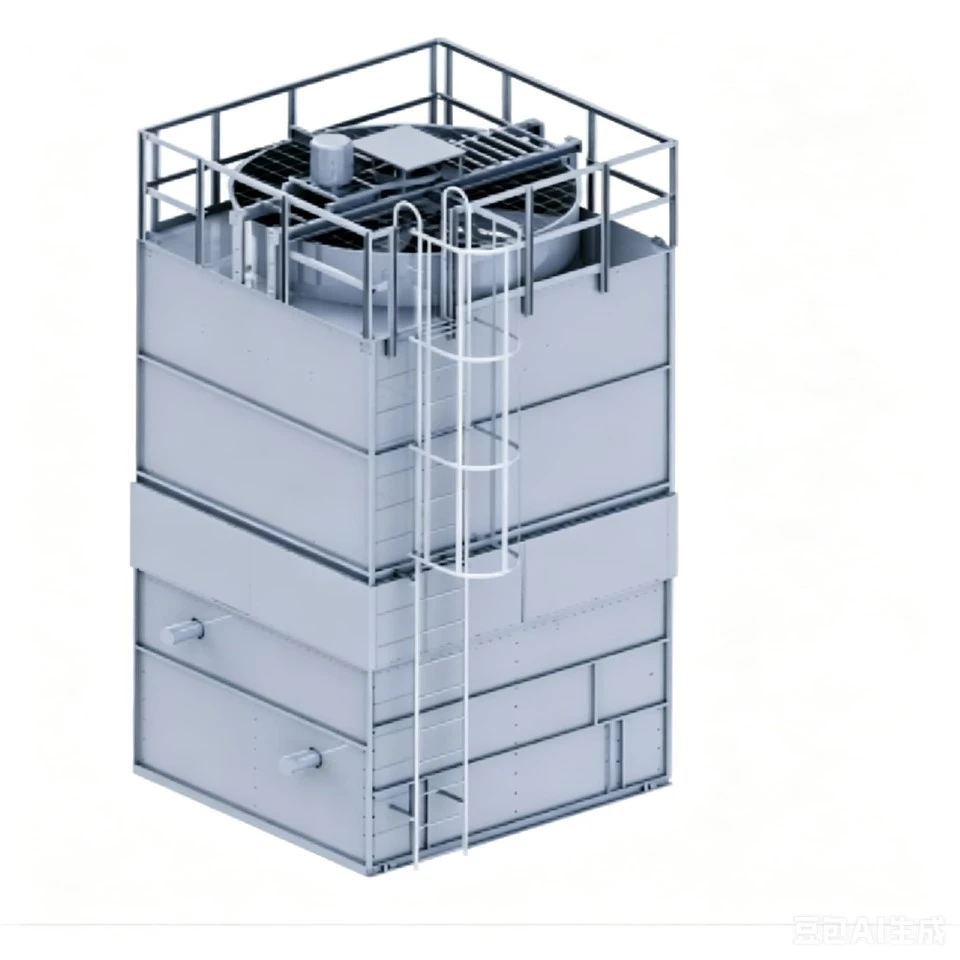

Step 1: Assess the Cause of the Emergency Shutdown
Before attempting to restart the cooling tower, it is essential to determine the root cause of the emergency shutdown. This could be due to various factors such as power outages, equipment failures, or safety concerns. Conduct a thorough inspection of the cooling tower system, including the fan, pump, fill media, and controls, to identify any visible damage or malfunctions. Document your findings and address any issues before proceeding with the restart process.
Step 2: Check for Water and Chemical Levels
Inspect the water level in the cooling tower basin to ensure it is within the recommended range. Low water levels can lead to inadequate cooling and potential damage to the equipment, while high water levels can cause overflow and water wastage. If necessary, add or drain water to maintain the proper level.
Additionally, check the chemical levels in the cooling tower water, including pH, alkalinity, and disinfection. These chemicals play a crucial role in preventing corrosion, scaling, and biological growth in the cooling tower system. Adjust the chemical levels as needed to ensure they are within the recommended specifications.
Step 3: Inspect the Fan and Motor
The fan is a critical component of the cooling tower, responsible for drawing air through the system and facilitating the cooling process. Inspect the fan blades for any damage or signs of wear, and ensure they are properly balanced. Check the fan motor for any electrical issues, such as loose connections or overheating. Lubricate the fan bearings if necessary, following the manufacturer's recommendations.
Step 4: Examine the Pump
The pump is responsible for circulating the water through the cooling tower system. Inspect the pump for any leaks, blockages, or abnormal noises. Check the pump impeller for damage and ensure it is rotating freely. Verify the pump's motor and electrical connections, and test the pump to ensure it is functioning properly.
Step 5: Clean the Fill Media
Over time, the fill media in the cooling tower can become clogged with debris, scale, and biological growth, which can reduce the cooling efficiency and cause water flow issues. Clean the fill media using a high-pressure water jet or a chemical cleaning solution, depending on the type and severity of the buildup. This will help to restore the proper water distribution and air flow through the cooling tower system.
Step 6: Test the Controls and Safety Devices
The cooling tower's controls and safety devices are designed to monitor and regulate the system's operation and ensure safe and efficient performance. Test the temperature sensors, pressure switches, and flow meters to ensure they are accurate and functioning properly. Check the emergency shutdown switches and alarms to ensure they are operational and can be easily accessed in case of future emergencies.
Step 7: Start the Cooling Tower System
Once you have completed all the necessary inspections and maintenance tasks, you can begin the restart process. Start the pump and allow the water to circulate through the system for a few minutes to ensure proper flow and distribution. Then, start the fan and gradually increase the speed to the recommended operating level. Monitor the system closely for any signs of abnormal behavior, such as unusual noises, vibrations, or pressure fluctuations.
Step 8: Monitor and Maintain the Cooling Tower
After the cooling tower has been restarted, it is important to monitor its performance regularly to ensure it is operating efficiently and safely. Check the water temperature, flow rate, and chemical levels daily, and adjust them as needed to maintain optimal conditions. Inspect the equipment and components regularly for any signs of wear or damage, and perform preventive maintenance tasks as recommended by the manufacturer.
Types of Cooling Towers
As a cooling tower supplier, we offer a wide range of cooling tower solutions to meet the diverse needs of our customers. Some of the common types of cooling towers we provide include:
- Counter Flow Cooling Tower: This type of cooling tower features a counterflow design, where the air flows upward through the fill media while the water flows downward. Counterflow cooling towers are known for their high efficiency and compact design.
- Industrial Cooling Tower Systems: Industrial cooling tower systems are designed to meet the demanding cooling requirements of large industrial facilities. They are available in various sizes and configurations, and can be customized to suit specific applications.
- Dry-Wet Combined Closed Cooling Tower: This innovative type of cooling tower combines the advantages of dry and wet cooling, providing efficient cooling with reduced water consumption. Dry-wet combined closed cooling towers are ideal for applications where water conservation is a priority.
- Closed Circuit Cooling Tower: Closed circuit cooling towers use a closed-loop system to circulate the coolant, providing a reliable and efficient cooling solution. They are commonly used in applications where water quality is a concern, such as in the pharmaceutical and semiconductor industries.
- Closed Type Cooling Tower: Closed type cooling towers are similar to closed circuit cooling towers, but they use a different design to achieve efficient cooling. They are often used in applications where space is limited or where a high level of cooling performance is required.
Contact Us for Your Cooling Tower Needs
If you are in need of a cooling tower or require assistance with restarting your existing cooling tower after an emergency shutdown, our team of experts is here to help. We have extensive experience in the design, installation, and maintenance of cooling tower systems, and we can provide you with the solutions and support you need to ensure optimal performance and reliability.
Contact us today to learn more about our cooling tower products and services, and to discuss your specific requirements. We look forward to working with you to meet your cooling needs.
References
- Cooling Tower Institute. (2023). Cooling Tower Operation and Maintenance Guide.
- Hydraulic Institute. (2023). Pump Systems Matter: Best Practices for Pump System Optimization.
- ASHRAE. (2023). Handbook of Fundamentals.