


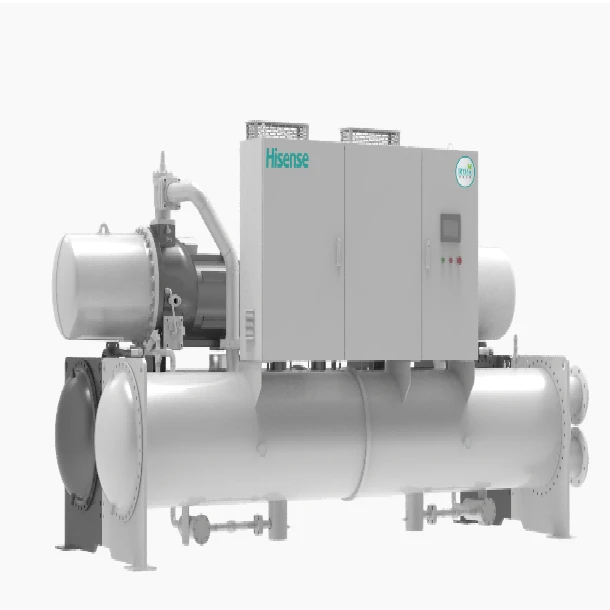
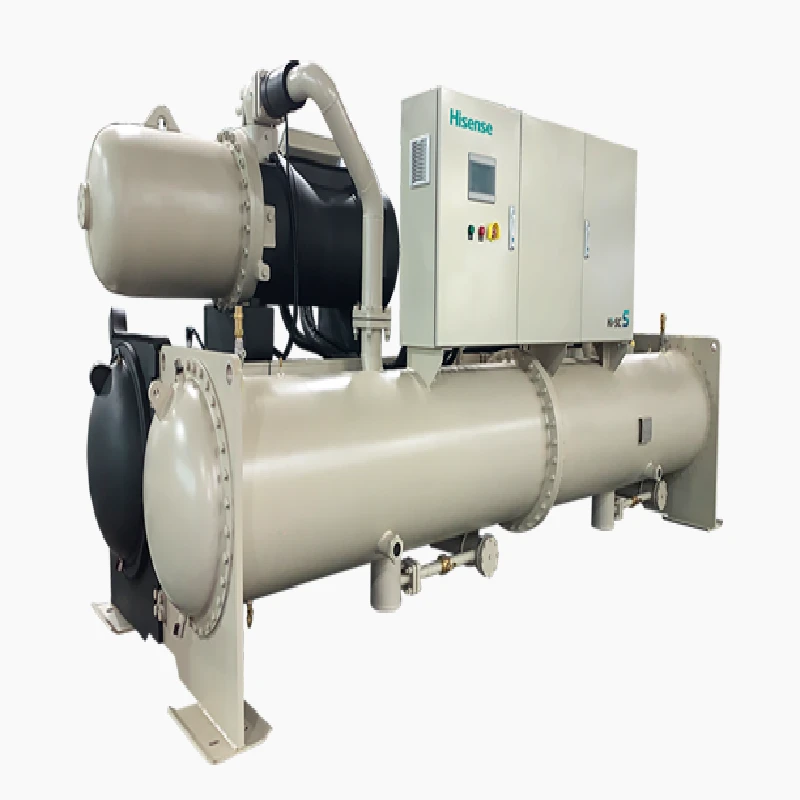
As a supplier of water-cooled screw chillers, I understand the crucial role that proper water treatment plays in ensuring the efficient and reliable operation of these systems. Water-cooled screw chillers are widely used in various industrial and commercial applications due to their high efficiency and cooling capacity. However, the quality of the water used in the chiller system can significantly impact its performance, lifespan, and maintenance requirements. In this blog, I will discuss the recommended water treatment methods for a water-cooled screw chiller to help you optimize its operation and reduce the risk of costly breakdowns.
Understanding the Importance of Water Treatment
Water is the primary medium for transferring heat in a water-cooled screw chiller system. However, untreated water can contain various impurities, such as minerals, sediment, bacteria, and algae, which can cause a range of problems in the chiller. These problems include:
- Scaling: Minerals in the water, such as calcium and magnesium, can precipitate out of solution and form scale deposits on the heat exchanger surfaces. Scale acts as an insulator, reducing the heat transfer efficiency of the chiller and increasing energy consumption.
- Corrosion: Dissolved oxygen and other chemicals in the water can cause corrosion of the metal components in the chiller system, including the heat exchanger, pipes, and compressor. Corrosion can lead to leaks, reduced equipment lifespan, and increased maintenance costs.
- Biofouling: Bacteria, algae, and other microorganisms can grow in the water, forming a slimy layer on the heat exchanger surfaces. This biofilm can reduce heat transfer efficiency, increase pressure drop, and provide a breeding ground for harmful bacteria.
Proper water treatment can help prevent these problems by removing or controlling the impurities in the water, ensuring the efficient and reliable operation of the water-cooled screw chiller.
Recommended Water Treatment Methods
Pretreatment
Before the water enters the chiller system, it is important to pre-treat it to remove large particles and sediment. This can be done using a variety of methods, including:
- Filtration: Filtration is the most common method of pre-treatment. It involves passing the water through a filter media, such as sand, gravel, or activated carbon, to remove suspended solids and debris. Filters can be either cartridge filters or bag filters, depending on the size and type of particles to be removed.
- Sedimentation: Sedimentation is a process in which the water is allowed to stand in a tank or basin, allowing the heavier particles to settle to the bottom. The clear water can then be drawn off the top and used in the chiller system.
- Coagulation and Flocculation: Coagulation and flocculation are chemical processes that are used to remove fine particles and colloids from the water. Coagulants, such as aluminum sulfate or ferric chloride, are added to the water to neutralize the charge on the particles, causing them to clump together. Flocculants, such as polyacrylamide, are then added to help the clumps grow larger and settle out of the water.
Chemical Treatment
Chemical treatment is an essential part of water treatment for a water-cooled screw chiller. It involves adding various chemicals to the water to control scaling, corrosion, and biofouling. The following are some of the commonly used chemicals in water treatment:
- Scale Inhibitors: Scale inhibitors are chemicals that are used to prevent the formation of scale deposits on the heat exchanger surfaces. They work by interfering with the crystallization process of the minerals in the water, preventing them from forming hard deposits. Scale inhibitors can be either organic or inorganic, and they are typically added to the water in small doses.
- Corrosion Inhibitors: Corrosion inhibitors are chemicals that are used to protect the metal components in the chiller system from corrosion. They work by forming a protective film on the metal surfaces, preventing the oxygen and other chemicals in the water from coming into contact with the metal. Corrosion inhibitors can be either passivating or non-passivating, and they are typically added to the water in small doses.
- Biocides: Biocides are chemicals that are used to control the growth of bacteria, algae, and other microorganisms in the water. They work by killing or inhibiting the growth of these organisms, preventing them from forming biofilms on the heat exchanger surfaces. Biocides can be either oxidizing or non-oxidizing, and they are typically added to the water in small doses.
Monitoring and Control
Regular monitoring and control of the water quality in the chiller system are essential to ensure the effectiveness of the water treatment program. The following are some of the parameters that should be monitored on a regular basis:
- pH: The pH of the water affects the solubility of the minerals in the water and the effectiveness of the chemical treatments. The recommended pH range for a water-cooled screw chiller is typically between 7.0 and 8.5.
- Conductivity: The conductivity of the water is a measure of its ability to conduct electricity. It is an indicator of the total dissolved solids (TDS) in the water, which includes minerals, salts, and other impurities. The recommended conductivity range for a water-cooled screw chiller is typically between 500 and 2000 microsiemens per centimeter (μS/cm).
- Total Hardness: The total hardness of the water is a measure of the concentration of calcium and magnesium ions in the water. It is an indicator of the potential for scale formation in the chiller system. The recommended total hardness range for a water-cooled screw chiller is typically between 50 and 200 milligrams per liter (mg/L).
- Chlorine Residual: The chlorine residual in the water is a measure of the amount of free chlorine available to kill bacteria and other microorganisms. It is an indicator of the effectiveness of the biocide treatment. The recommended chlorine residual range for a water-cooled screw chiller is typically between 0.5 and 2.0 milligrams per liter (mg/L).
Based on the results of the water quality monitoring, the chemical treatment program can be adjusted as needed to maintain the desired water quality parameters.
Choosing the Right Water Treatment Method
The choice of water treatment method for a water-cooled screw chiller depends on several factors, including the quality of the source water, the operating conditions of the chiller system, and the specific requirements of the application. In general, a comprehensive water treatment program that includes pre-treatment, chemical treatment, and monitoring and control is recommended for most water-cooled screw chiller systems.
When choosing a water treatment provider, it is important to consider their experience, expertise, and reputation in the industry. A qualified water treatment provider can help you design and implement a customized water treatment program that meets the specific needs of your chiller system and ensures its efficient and reliable operation.
Contact Us for Procurement and Consultation
If you are interested in learning more about water treatment methods for water-cooled screw chillers or are looking to purchase a Water Cooled Screw Chiller for your application, we are here to help. Our team of experts has extensive experience in the design, installation, and maintenance of water-cooled screw chiller systems, and we can provide you with the professional advice and support you need.
We also offer a wide range of Water Cooled Screw Compressor products that are designed to meet the high - performance requirements of various industrial and commercial applications. To find out more about our products and services, or to start a procurement discussion, please feel free to reach out to us. We look forward to working with you to optimize your cooling system and enhance your operational efficiency.
Specific water quality control parameters and water treatment programs should be determined based on the source water quality, system materials, chemical types, cycles of concentration, and the equipment manufacturer's requirements.
References
- ASHRAE Handbook - HVAC Systems and Equipment. American Society of Heating, Refrigerating and Air - Conditioning Engineers.
- Water Treatment Handbook for Industrial Cooling Systems. Various industrial water treatment research institutions.
- Manufacturer's manuals for water - cooled screw chillers and related components.