


As a reputable compressor supplier, I understand the critical role that compressor capacitors play in the efficient operation of compressors. A compressor capacitor serves as a vital component, providing the necessary electrical boost to start and run the compressor motor smoothly. Testing a compressor capacitor regularly is essential to ensure the optimal performance and longevity of your compressor. In this blog post, I will share a comprehensive guide on how to test a compressor capacitor effectively.
Understanding Compressor Capacitors
Before diving into the testing process, it's important to have a basic understanding of what a compressor capacitor is and how it works. A compressor capacitor is an electronic component that stores and releases electrical energy. It is typically connected to the compressor motor and helps to create a phase shift in the electrical current, which is necessary for the motor to start and run efficiently.
There are two main types of compressor capacitors: start capacitors and run capacitors. Start capacitors provide a high initial burst of energy to start the compressor motor, while run capacitors help to maintain a steady flow of electrical energy to keep the motor running smoothly. Both types of capacitors are crucial for the proper operation of the compressor.
Tools Required for Testing
To test a compressor capacitor, you will need the following tools:
- Multimeter: A multimeter is a versatile tool that can measure voltage, current, and resistance. It is essential for testing the capacitance and continuity of the capacitor.
- Insulated Screwdriver: An insulated screwdriver is used to discharge the capacitor safely before testing. This is important to prevent electrical shock.
- Safety Gloves and Glasses: Safety gloves and glasses should be worn to protect yourself from electrical shock and other hazards.
Testing Steps
The following steps outline the process of testing a compressor capacitor:
Step 1: Safety First
Before starting any testing, it is crucial to ensure your safety. Turn off the power supply to the compressor to prevent electrical shock. Wear safety gloves and glasses to protect yourself from any potential hazards.
Step 2: Discharge the Capacitor
Capacitors can store electrical energy even after the power is turned off, which can be dangerous. To discharge the capacitor safely, use an insulated screwdriver to short across the capacitor terminals. This will release any stored energy. Make sure to hold the screwdriver by the insulated handle and avoid touching the metal parts.
Step 3: Remove the Capacitor
Once the capacitor is discharged, remove it from the compressor. This may involve disconnecting the electrical wires and removing any mounting brackets. Take note of the wire connections and the orientation of the capacitor for reinstallation later.
Step 4: Visual Inspection
Before testing the capacitor, perform a visual inspection for any signs of damage or wear. Look for bulging, leaking, or burnt parts on the capacitor. If you notice any of these signs, the capacitor may be faulty and should be replaced.
Step 5: Test the Capacitance
The capacitance of a capacitor is a measure of its ability to store electrical energy. To test the capacitance, set your multimeter to the capacitance mode. Connect the multimeter leads to the capacitor terminals. Make sure the polarity is correct. The multimeter will display the capacitance value. Compare this value with the rated capacitance value printed on the capacitor. If the measured value is significantly different from the rated value, the capacitor may be faulty.
Step 6: Test the Continuity
In addition to testing the capacitance, you should also test the continuity of the capacitor. Set your multimeter to the resistance mode. Connect the multimeter leads to the capacitor terminals. A good capacitor should have a high resistance value, indicating that it is not short-circuited. If the multimeter shows a low resistance value or zero resistance, the capacitor may be faulty and should be replaced.
Step 7: Reinstall the Capacitor
If the capacitor passes all the tests, it is safe to reinstall it in the compressor. Make sure to reconnect the electrical wires correctly and secure the capacitor in place. Once the capacitor is reinstalled, turn on the power supply to the compressor and check if it is running smoothly.
Common Capacitor Problems and Solutions
Even with regular testing, compressor capacitors can still develop problems over time. Here are some common capacitor problems and their solutions:
- Capacitor Failure: A capacitor can fail due to various reasons, such as overheating, voltage spikes, or age. If the capacitor fails, the compressor may not start or may run inefficiently. In this case, the capacitor should be replaced with a new one.
- Low Capacitance: Over time, a capacitor may lose its ability to store electrical energy, resulting in low capacitance. Low capacitance can cause the compressor to run sluggishly or overheat. If you notice a significant decrease in capacitance, it is recommended to replace the capacitor.
- Short-Circuited Capacitor: A short-circuited capacitor can cause a sudden surge of electrical current, which can damage the compressor motor. If you suspect a short-circuited capacitor, you should immediately turn off the power supply to the compressor and replace the capacitor.
Importance of Regular Testing
Regular testing of compressor capacitors is essential for several reasons:
- Preventive Maintenance: By testing the capacitors regularly, you can detect any potential problems early on and take preventive measures to avoid costly breakdowns.
- Optimal Performance: A good capacitor ensures the smooth operation of the compressor motor, which in turn improves the overall performance and efficiency of the compressor.
- Safety: Faulty capacitors can pose a safety hazard, such as electrical shock or fire. Regular testing helps to ensure the safety of your equipment and personnel.
Conclusion
Testing a compressor capacitor is a relatively simple process that can be done with the right tools and knowledge. By following the steps outlined in this blog post, you can ensure the optimal performance and longevity of your compressor. Remember to always prioritize safety when working with electrical components.
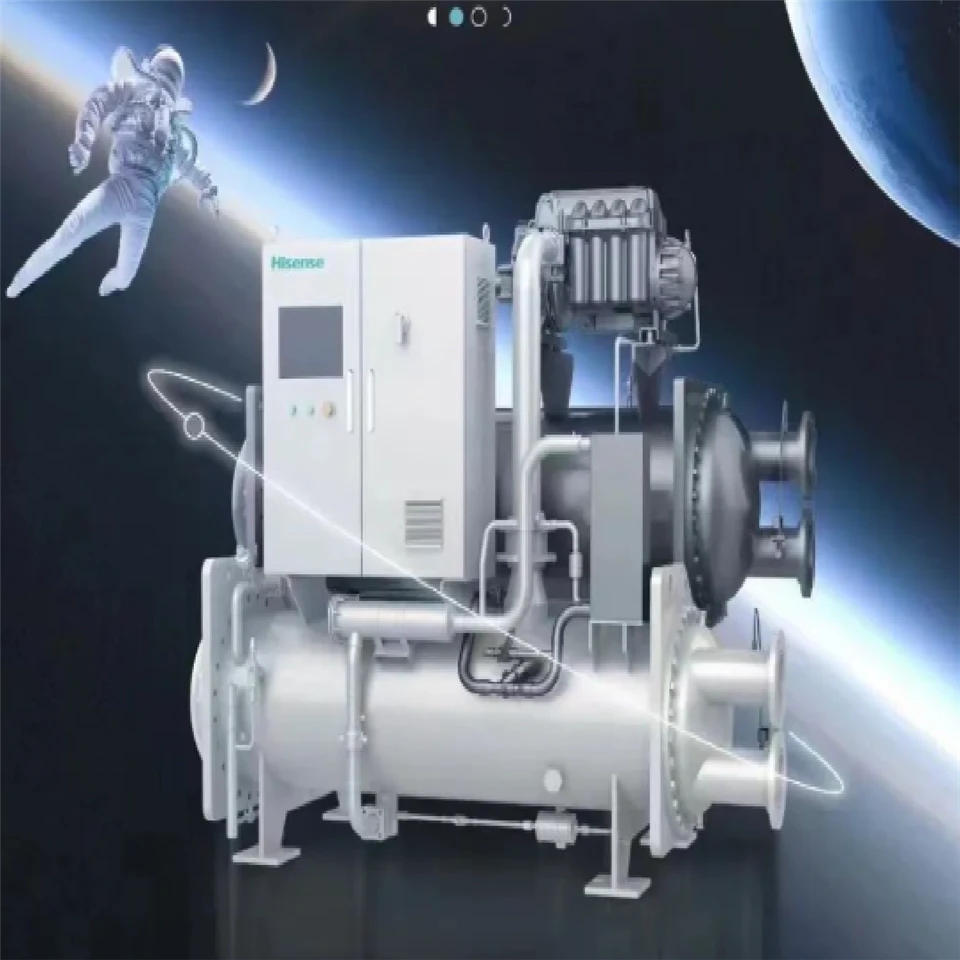
If you are in the market for high-quality compressors or need assistance with capacitor testing and maintenance, we are here to help. As a leading compressor supplier, we offer a wide range of compressors, including the Maglev Compressor, known for its energy efficiency and reliability. Contact us today to discuss your compressor needs and explore how we can provide you with the best solutions for your business.
References
- "Compressor Capacitors: How They Work and How to Test Them." HVAC School.
- "Testing and Replacing Capacitors in HVAC Systems." The Spruce.
- "Understanding Capacitors in Compressor Systems." Engineering ToolBox.