


As a supplier of specialty dehumidifiers, one of the most frequently asked questions I encounter from customers is, "How often should I replace the filter in a specialty dehumidifier?" The answer isn't straightforward, as it depends on multiple factors. In this blog post, I'll delve into these factors, provide some general guidelines, and offer insights to help you maintain your specialty dehumidifier in top - notch condition.
Factors Affecting Filter Replacement Frequency
1. Usage Environment
The environment in which the dehumidifier operates plays a significant role in determining filter replacement intervals. If the dehumidifier is used in a clean, low - dust environment, like a well - maintained office or a bedroom, the filter will last longer. On the other hand, if it's placed in a workshop, a construction site, or a basement with high levels of dirt, dust, and debris, the filter will become clogged more quickly.
In a construction site, for instance, where there's a constant presence of fine particulate matter such as drywall dust, concrete dust, and wood shavings, the filter can get saturated within a few weeks. In contrast, in a clean office setting, the filter may only need replacement every 3 - 6 months.
2. Usage Frequency
How often you run your specialty dehumidifier also impacts filter lifespan. If you use the dehumidifier continuously, say 24 hours a day, 7 days a week, the filter will accumulate more contaminants compared to a unit that is used only occasionally. For example, in a greenhouse where humidity control is crucial for plant growth and the dehumidifier runs non - stop, the filter will need more frequent attention.
3. Type of Filter
Different types of filters have different capabilities and lifespans. Specialty dehumidifiers can come with pre - filters, HEPA filters, activated carbon filters, or a combination of these. Pre - filters are designed to capture large particles like hair, dust, and lint. They usually need to be replaced every 1 - 3 months, depending on the usage conditions.
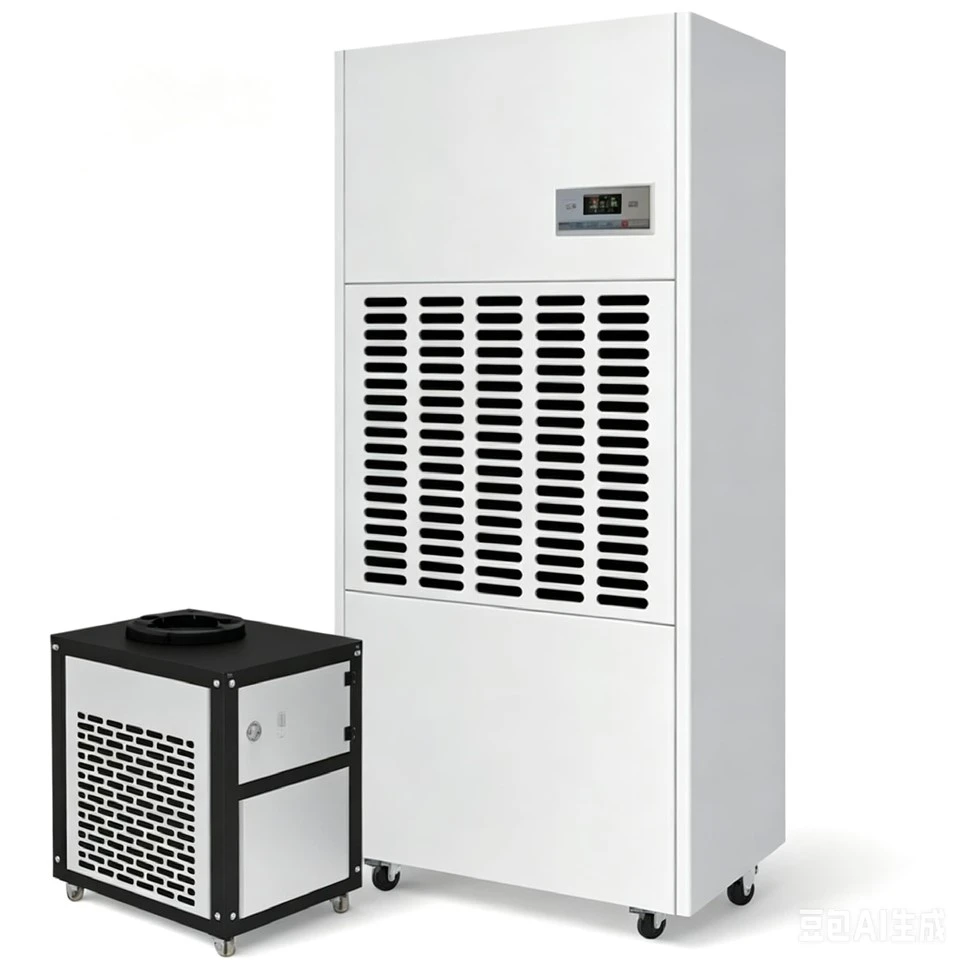

HEPA (High - Efficiency Particulate Air) filters are much more efficient, capable of trapping 99.97% of particles as small as 0.3 microns. These filters generally last longer, about 6 - 12 months, but they are more expensive to replace. Activated carbon filters help in removing odors and gaseous pollutants. Their lifespan varies from 3 - 6 months, depending on the level of odor and pollutants in the environment.
General Filter Replacement Guidelines
Based on the common usage scenarios, here are some rough guidelines for filter replacement:
Low - dust and occasional use
If your specialty dehumidifier is used in a relatively clean environment and only for a few hours a day or a few days a week, you can expect the following replacement intervals:
- Pre - filter: Replace every 2 - 3 months.
- HEPA filter: Replace every 10 - 12 months.
- Activated carbon filter: Replace every 4 - 6 months.
High - dust and continuous use
For environments with high levels of dust and debris, and continuous operation of the dehumidifier, the intervals will be much shorter:
- Pre - filter: Replace every 1 - 2 months.
- HEPA filter: Replace every 6 - 8 months.
- Activated carbon filter: Replace every 2 - 3 months.
Importance of Regular Filter Replacement
Regularly replacing the filter in your specialty dehumidifier is not just about maintaining its performance; it also has several other benefits.
1. Improved Air Quality
A clean filter ensures that the air circulated by the dehumidifier is free from dust, pollen, mold spores, and other contaminants. This is especially important for people with allergies or respiratory problems. A clogged filter will allow these pollutants to recirculate in the air, worsening the indoor air quality.
2. Enhanced Dehumidification Efficiency
When the filter is clogged, the airflow through the dehumidifier is restricted. This reduces the unit's ability to draw in moist air and remove moisture effectively. As a result, the dehumidifier may have to work harder, consuming more energy and potentially leading to higher electricity bills. By replacing the filter regularly, you can maintain the dehumidifier's efficiency and save on energy costs.
3. Extended Lifespan of the Dehumidifier
A clogged filter can put additional stress on the dehumidifier's components, such as the compressor and the fan. Over time, this can lead to premature wear and tear, increasing the likelihood of breakdowns and costly repairs. Regular filter replacement helps to protect these components and extends the overall lifespan of the dehumidifier.
Specialty Dehumidifier Varieties and Filter Maintenance
Our company offers a range of specialty dehumidifiers, each with its own unique features and filter requirements.
The Mist Humidification System is designed to provide precise humidity control in sensitive environments. Since it operates in a relatively clean environment, the filter replacement intervals can be relatively long, following the low - dust and occasional use guidelines.
The Rotary Dehumidifier is often used in industrial settings where high humidity and contaminants are common. For this type of dehumidifier, it's crucial to follow the high - dust and continuous use guidelines to ensure optimal performance.
The Wet Film Humidifier is popular in commercial and residential applications. Its filter needs to be monitored regularly, especially if it's used in an area with a lot of dust or where there are frequent changes in humidity.
The 2 in 1 Dehumidifier Humidifier Combo is a versatile option for maintaining both humidity and air quality. Since it has a dual function, proper filter maintenance is even more important to ensure that it can perform both tasks effectively.
The Explosion - proof Dehumidifier is used in hazardous environments. In these settings, the filter plays a crucial role in preventing the ingress of flammable or explosive substances. Therefore, strict filter replacement schedules must be adhered to, and often, more frequent inspections are required.
How to Check and Replace the Filter
Checking the filter is a relatively simple process. First, turn off the dehumidifier and unplug it from the power source. Then, locate the filter access panel on the dehumidifier. Once the panel is removed, take out the filter and inspect it. If the filter is visibly dirty, covered in dust, or has a significant odor, it's time to replace it.
When replacing the filter, make sure to use the correct type of filter recommended by the manufacturer. Install the new filter in the same orientation as the old one, and then close the filter access panel. Plug the dehumidifier back in and turn it on.
Conclusion
Determining how often to replace the filter in a specialty dehumidifier depends on a variety of factors, including the usage environment, usage frequency, and type of filter. By understanding these factors and following the general guidelines provided, you can ensure that your dehumidifier operates efficiently, provides clean air, and has a long lifespan.
If you have any further questions about filter replacement, or if you're interested in purchasing our high - quality specialty dehumidifiers, feel free to reach out for a consultation and potential purchase negotiation. Our team of experts is ready to assist you in finding the best solution for your humidity control needs.
References
- "Dehumidifier Maintenance Guide" - Industry - standard resource on dehumidifier upkeep.
- "Air Filtration in Specialty Dehumidifiers" - Research paper on the role of filters in dehumidification systems.