


As a supplier of Packaged Chiller Plants, I've seen my fair share of refrigerant leaks over the years. It's a problem that can throw a real wrench into your cooling system's performance and can also have some serious environmental implications. So, let's dig into how a packaged chiller plant handles refrigerant leaks.
First off, it's important to understand why refrigerant leaks happen in the first place. There are a few common culprits. One of the most typical causes is wear and tear. Over time, the components of a chiller plant, like hoses, valves, and seals, can start to break down. The constant pressure changes, vibrations, and temperature fluctuations can take a toll on these parts, creating small cracks or holes through which the refrigerant can escape.
Another reason could be improper installation. If the chiller plant isn't installed correctly, it can lead to stress on the system's components. For example, if pipes are bent too sharply or if connections aren't tightened properly, it can increase the risk of leaks. And sometimes, just plain old damage from external factors like physical impacts or corrosion can also cause refrigerant to leak.
Now, let's talk about how a packaged chiller plant deals with these leaks once they occur. The first step is detection. A well - designed chiller plant should have some form of leak detection system in place. There are a few different types of these systems.
One common method is using pressure sensors. Refrigerant systems operate at specific pressures, and if there's a leak, the pressure will drop. These sensors are set to monitor the pressure continuously. When the pressure falls below a certain pre - set level, it triggers an alarm. This gives operators an early warning that something is wrong with the refrigerant system.
Another type of detection method is the use of refrigerant gas sensors. These sensors are sensitive to the specific gases used in the chiller's refrigerant. They can detect even small amounts of refrigerant in the air around the chiller plant. Once detected, they'll also send an alert, letting the operators know about the potential leak.
Once a leak is detected, the next step is isolation. This is crucial to prevent further refrigerant leakage and to minimize the impact on the environment. Most packaged chiller plants have isolation valves. When a leak is detected, these valves can be closed automatically or manually to stop the flow of refrigerant to the affected part of the system. This helps to contain the leak and prevent the refrigerant from spreading throughout the rest of the system.
After isolation, it's time for repair. This is where the skills of a trained technician come in handy. The technician will first need to locate the exact source of the leak. This can be a bit of a detective job. They might use methods like soap bubble testing. By applying a soapy solution to suspected areas, any leaks will cause bubbles to form, making the leak visible.
Once the leak is located, the technician will repair it. If it's a small crack in a pipe, they might use a special sealant to patch it up. For more serious damage, like a broken valve, they'll need to replace the faulty component. It's important to use high - quality replacement parts to ensure the long - term reliability of the system.
After the repair is complete, the system needs to be tested. This involves checking the pressure of the refrigerant system to make sure it's back to normal levels. The technician will also use the leak detection system to confirm that there are no more leaks. If everything checks out, the isolation valves can be reopened, and the chiller plant can be put back into operation.
Now, let's talk about some preventive measures to reduce the risk of refrigerant leaks in the first place. Regular maintenance is key. This includes things like inspecting the hoses, valves, and seals for signs of wear and tear. During these inspections, any parts that show early signs of damage can be replaced before they cause a major leak.
Proper installation is also essential, as I mentioned earlier. Make sure to hire qualified and experienced technicians to install your packaged chiller plant. They'll follow the manufacturer's guidelines and ensure that everything is set up correctly.
As a supplier of Packaged Chiller Plant, we take pride in offering high - quality products that are designed to minimize the risk of refrigerant leaks. Our chiller plants come with advanced leak detection and isolation systems, and we also provide detailed maintenance guides to help our customers keep their systems in top shape.
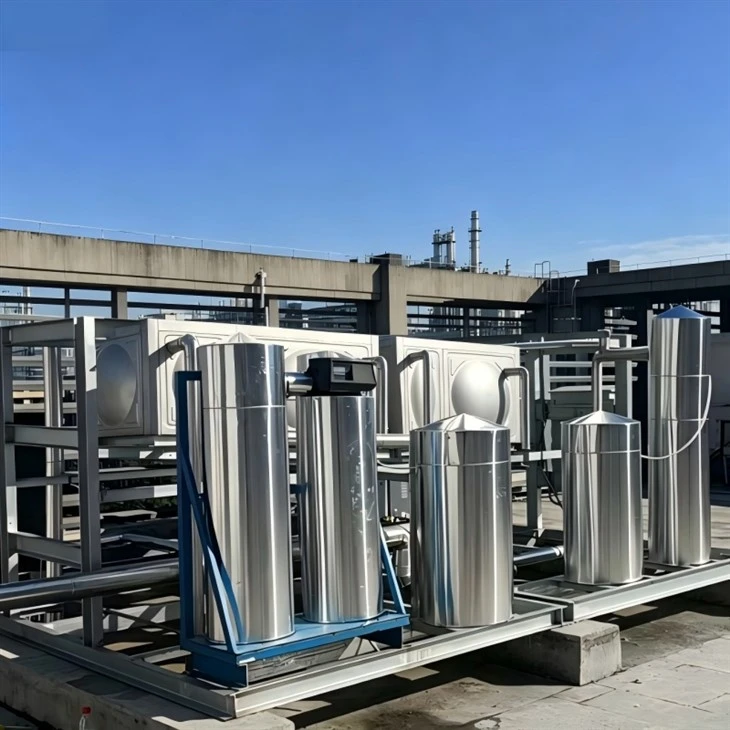

Our packaged chiller plants are not only suitable for general cooling applications but are also great for specific industries. For example, if you're involved in the agricultural sector, our chiller plants can be used in Grow Room Climate Control Systems, Greenhouse Climate Control Systems, Greenhouse Environmental Control Systems, and Greenhouse Temperature Control System. These systems require precise temperature and climate control, and our chiller plants can deliver just that.
If you're looking for a reliable packaged chiller plant to meet your cooling needs, we're here to help. Whether you need a system for a small - scale operation or a large industrial facility, we have the expertise and the products to provide a solution that works for you. Contact us to discuss your requirements and start a procurement negotiation. We're confident that we can offer you a high - quality packaged chiller plant at a competitive price.
References
- ASHRAE Handbook: Refrigeration. American Society of Heating, Refrigerating and Air - Conditioning Engineers.
- Manufacturer's manuals for packaged chiller plants.